
Need help? Call us:
+91 95600 78750
+91 95600 78750
📞
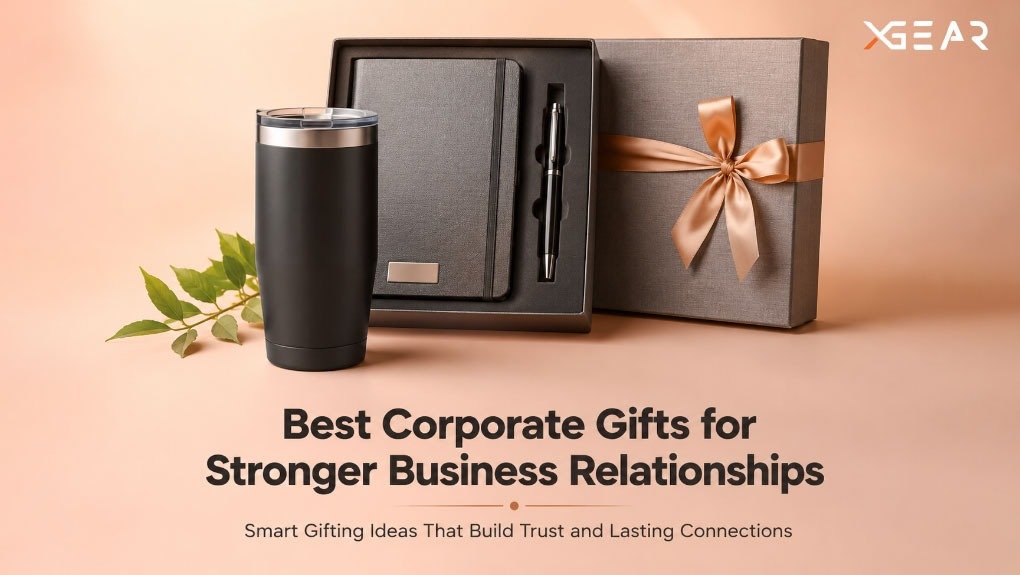
Indian companies are moving away from once-a-year gift hampers and toward flexible, trackable rewards that actually change how employees, clients, and partners feel about the relationship.
Digital corporate gifting platforms are getting attention because they simplify rewards, boost engagement, and make compliance less messy — while still giving people real choice.
Quick Highlights
The bigger shift is not about replacing gifts; it is about replacing logistics with something more strategic, measurable, and easier to scale. That is why so many businesses are rethinking the idea of a “gift” in the first place. It’s no longer just about sending something nice. It’s about sending the right thing, in the right way, at the right time.
Digital corporate gifting platforms are getting attention because they simplify rewards, boost engagement, and make compliance less messy — while still giving people real choice. In other words, they help companies do something thoughtful without turning the whole process into a manual headache.
The bigger shift is not about replacing gifts; it is about replacing logistics with something more strategic, measurable, and easier to scale. And honestly, that’s where this whole category starts to make a lot more sense for modern businesses.
Corporate gifting is no longer a festive ritual or a box of sweets handed out once a year. It has become a year-round business move tied to engagement, loyalty, and brand recall. That change sounds small, but it’s actually a big deal. It means gifting is now part of how companies communicate, not just how they celebrate.
The market context is real: global corporate gifting is projected to rise from $765.46 billion in 2023 to $1.11 trillion by 2028, at a 7.76% CAGR. That kind of growth usually doesn’t happen because of tradition alone. It happens because businesses are finding that thoughtful gifting can support relationships in a measurable way.
In India, Pluxee’s 2024 India Corporate Gifting Study says 27% of organisations are planning to expand gifting budgets, which is a pretty clear sign that companies now treat gifts like investment decisions. That’s the interesting part. When budgets grow, expectations grow too. People want more than a box that looks nice for a day.
Recognition programmes are not just a soft benefit. Research cited in the raw content links them to stronger employee engagement, higher job satisfaction, and greater organisational commitment. So, the gift itself matters, but the feeling behind it matters just as much. Maybe even more.
That matters because the real job of gifting is not handing over value once — it is keeping people connected to the company after the moment passes. A good gift can do that quietly. It doesn’t need to be dramatic. It just needs to feel considered.
The strongest options are the ones that give people usefulness, choice, or repeat visibility. Price alone does not do the job. In fact, overly expensive gifts can sometimes feel awkward or wasted if they don’t fit the recipient’s life.
The raw content points to five formats that keep showing up: gift cards, branded essentials, curated hampers, tech and desk accessories, and sustainable gifts. Those are the corporate gift options that tend to work because they match how people actually live and work.
Gift cards have become a practical default because recipients choose what they want, companies avoid logistics headaches, and delivery can happen within 24 hours. That speed matters more than people think. When gifting needs to work across remote teams, multiple cities, or last-minute moments, flexibility is a lifesaver.
They are already preferred by 41% of Indian organisations, making them the second most popular gifting option after physical gifts. That number tells you something simple: choice has real value. People don’t always want the same thing, and gift cards make it easier to avoid guessing wrong.
When businesses want the feel of generosity without the pain of shipping, storage, or returns, gift cards usually rise to the top pretty quickly.
Branded drinkware, tote bags, notebooks, and apparel work when they are good enough to be used every day instead of stored away. That’s the key. If the item sits in a drawer, it’s not doing much for anyone.
That daily use is the point: repeated exposure builds brand recall without feeling pushy, and one Gurugram example in the raw content says premium branded work kits sent to 600 employees and clients led to a 28% increase in brand recall. Not bad for something people could actually use. It’s a reminder that useful items tend to stay visible longer than novelty items ever do.
Curated corporate gift boxes work because they can be tailored to recipient preferences, cultural context, and major milestones rather than sent as generic bulk items. That extra bit of tailoring can make a box feel much more thoughtful, even if the contents are simple.
Tech and desk accessories such as wireless chargers, desk organisers, and notepads add everyday utility, while eco friendly corporate gifts signal value alignment and longer product life cycles. A McKinsey & Company report cited here says 71% of consumers expect personalised interactions, and 76% get frustrated when they do not get them. So, even in gifting, personalization is not just a nice extra. It’s becoming the baseline.
There is also a concrete example: a company in Ahmedabad switched to premium eco-friendly gifting kits for 120 high-value corporate clients and saw a 40% spike in overall engagement. That’s a strong sign that sustainability and appreciation can sit comfortably in the same strategy.
The decision is less about picking a “best” gift and more about matching the format to the audience, budget, and execution reality. That part often gets overlooked. People focus on what looks impressive, but the real question is what will actually work across the full process.
Four decision points drive the choice: understanding the recipient, balancing cost and value, keeping execution easy, and staying inside compliance and transparency rules. Once you accept that, the selection process becomes much less stressful.
Phygital gifting solutions make sense when a company wants a physical touchpoint with digital flexibility attached to it. It’s a practical middle ground, especially for teams that want something tangible but don’t want to deal with all the baggage of traditional fulfilment.
The raw content defines phygital gifting as a physical product paired with a digital reward, such as a hamper with an e-voucher or app-based reward — physical plus digital, without the operational drag of a fully manual program. That combination is useful because it gives the recipient something to hold and something else to redeem later.
Once gifting scales, companies need to know what was sent, what was redeemed, and what actually landed with recipients. Otherwise, the program becomes a bit of a black box, and that makes it hard to improve anything.
That is why gift redemption tracking matters as part of ROI measurement, alongside feedback, performance metrics, and usage rates. It helps companies see what people actually do, not just what they were sent. And that distinction is more useful than it sounds.
| Decision factor | What the raw content says | Why it changes the choice |
|---|---|---|
| Recipient fit | Segment by role, geography, or preferences | Makes the gift feel relevant |
| Cost vs value | Companies are shifting toward practical, value-driven options | Helps avoid wasteful spend |
| Execution | Digital gifting supports last-minute, scalable delivery | Reduces logistics friction |
| Compliance | Must align with tax regulations and internal policies | Prevents avoidable complications |
Once gifting becomes a business system, compliance stops being a footnote. Budget control, tax rules, procurement transparency, and ESG alignment all sit in the same conversation. And if that sounds a little more serious than gifting used to be, that’s because it is.
India’s gift card market is growing at a 16.6% CAGR between 2021 and 2025, and by 2030 it is expected to nearly double from $10.26 billion to over $20 billion — which explains why flexible, digital-first models are getting more serious attention. The momentum is there, but so is the need for structure.
That checklist may look practical, but it also reflects a bigger truth: gifting works best when it’s treated like a small system, not a one-off expense. The more repeatable the process, the easier it is to make it feel consistent and meaningful.
These are the smaller doubts that usually come after the main decision points — the “what should I actually pick?” and “how does this work at scale?” questions.
Q: What are the top 3 most popular corporate gift categories?
High-utility tech gadgets, personalised lifestyle essentials, and eco-conscious wellness kits are the categories called out in the raw content. Wireless chargers keep fitting hybrid work, and sustainability-focused items fit modern ESG expectations.
Q: How do I choose the best corporate gift?
Pick based on the recipient’s practical needs and taste, not on what looks impressive in a warehouse. The strongest gifts are useful, high-quality, on time, and paired with a personalised message.
Q: How does a digital-first reward platform simplify large-scale corporate gifting?
It removes storage, shipping delays, and damaged goods from the process. The raw content says it can handle thousands of recipients across locations with a single click and gives access across millions of retail and online outlets.
Q: What is phygital gifting in simple terms?
It is a physical gift combined with a digital reward, like a hamper with an e-voucher or app-based reward. The value is in having both the tangible item and the flexibility of digital redemption.
Corporate gifting works best when it is treated as a strategic touchpoint, not a logistics problem. That is the real promise behind digital corporate gifting platforms: more choice, cleaner execution, and better outcomes for engagement, loyalty, and brand recall.
If a company wants the gift to feel useful, measurable, and easier to manage, the next step is obvious: move toward formats people can actually use, redeem, and remember.
